
 FUN
/ Talk
FUN26
Christine Vallaure
39:14
Start Somewhere. Building Your Own Products with AI
Christine Vallaure
FUN26 · English
Meet other independent minds at FUN27 in Berlin.
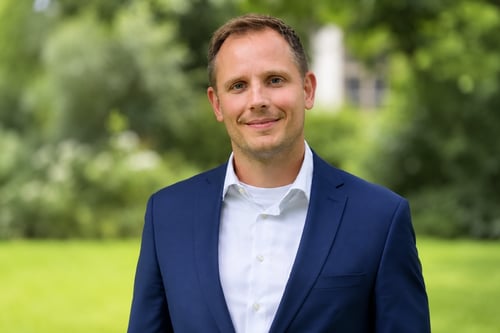
Get your ticketChristian Moldenhauer worked in strategy consulting for almost ten years before he founded expertpowerhouse in 2016 to place individual consultants on projects. At a client's town hall he saw a top-tier firm calculate that AI saves about 37 percent of the time on an M&A project (180 tasks, each rated for how much can be automated). What happens when your client hears that number and expects a 37 percent lower price? The talk is about where the value in consulting is moving.
What the talk covers
Three case studies
Three questions for you
Q&A
Which consulting fields change fastest (change management still depends on people), what is hardest (defending, because freelancers start selling the tool) and whether the big consultancies are in trouble (they will adapt).
FUN
/ Talk
Christine Vallaure
FUN26 · English
FUN
/ Webinar
Christine Vallaure
Webinar · English
 FUN
/ Webinar
Clemens Steinmann
Webinar · German