Zurück zur Mediathek

Workshop

Freelance Smarter: Unlock Stability and Success

  • Aufgezeichnet auf der FUN25
  • 26:27
  • Englisch
FUN / Workshop
FUN25 Magdalena Ziomek

Gute Gespräche gehen vor Ort weiter.

Triff andere Selbstständige auf der FUN27 in Berlin.

Ticket sichern

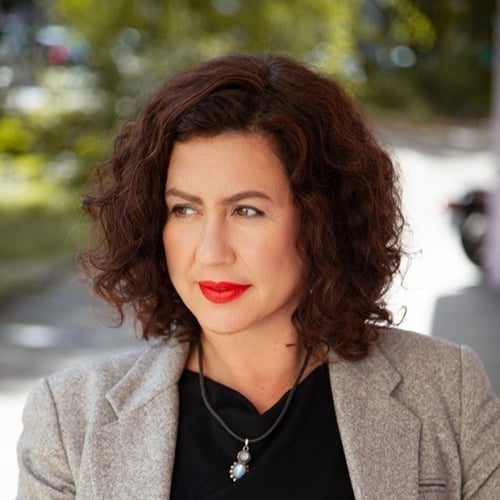
Magdalena Ziomek, an art historian from Poland, came to Germany 25 years ago with no idea whether she needed to register, charge VAT or what her income tax would look like. Years later, income tax and health insurance still surprised her. In this talk on 15 May 2025 she presents the answer her team built: a cooperative that freelancers co-own and that employs them.

What the talk covers

  • The problems she names: German bureaucracy, limited access to social security (for example maternity cover for freelancers), irregular income and late-paying clients.
  • How it works, in her account: you agree an employment contract with the cooperative based on the work you expect, and the cooperative bills your clients. Your salary is paid even before the client pays, and the cooperative takes over the payment risk and debt collection for clients in the EU.
  • A flexible salary: in a worked example you set a monthly salary from your expected income and lower it in thin months. Social contributions fall with it. Many members use it as their main employment and keep a few side activities as freelancers.
  • Employment has side effects: she says banks and landlords treat employees differently than freelancers, and short breaks between projects can give access to unemployment benefit.
  • Limits: only services, not goods, and not every profession (architects and notaries, for example, are excluded). Her advice on health insurance: before 55, check how your private insurance develops, because switching to public insurance later is no longer possible.

The benefit, insurance and contract rules are her description from May 2025 and may have changed since.

Who it's for

Freelancers who want more security and less paperwork and are looking at employment-based models.